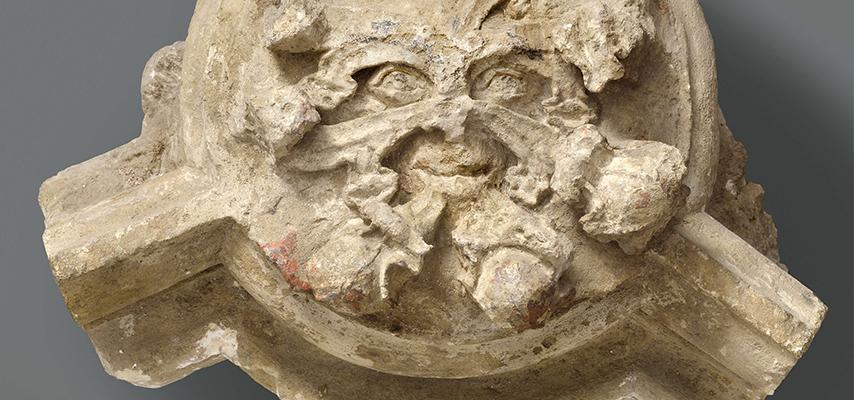
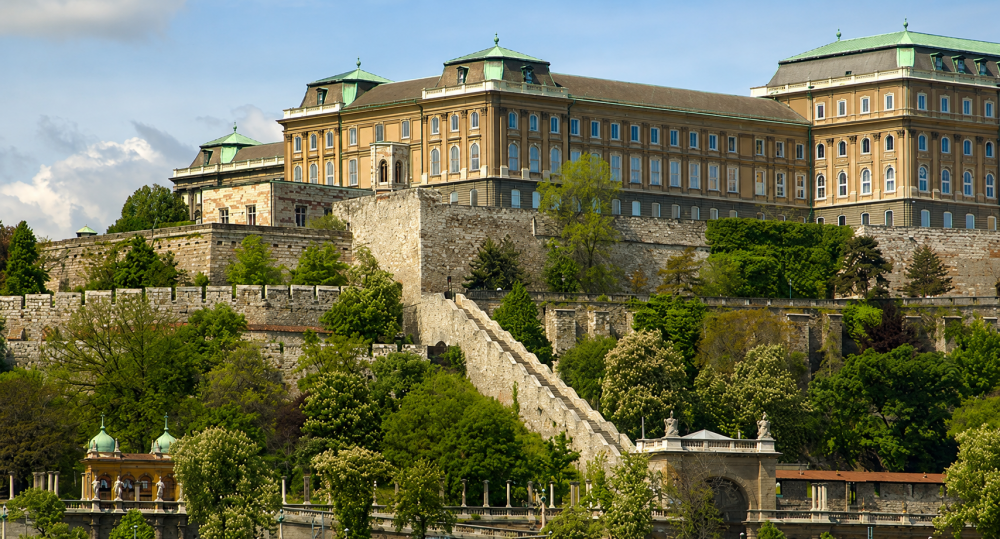
Few things can bring the world of the Middle Ages to life as vividly as the architectural heritage that has survived to this day. Think of the former churches that remain impressive even in ruins, or the medieval royal palaces that once shaped the cityscape.
Despite their historical significance, most of the medieval buildings of Buda, Pest and Óbuda are no longer visible today. The Mongol invasion in the mid-13th century, followed by the destruction caused by the wars of the Ottoman period and repeated changes in the city’s religious population, left much of this architectural heritage in ruins. Yet the buildings did not disappear completely. Some were reused as building materials, while fragments buried underground have been brought to light through archaeological excavations and research. Now, the public has the opportunity to discover them as well.
On 14 September, as part of the Ars Sacra Festival, the BTM Budapest History Museum – Castle Museum will open a chamber exhibition entitled Messengers of Lost Buildings – Medieval Sacred Heritage in Budapest. The exhibition presents architectural remains, religious artefacts and other archaeological finds connected to the city’s medieval sacred heritage. Visitors can also see fragments of wall paintings that once adorned churches and palaces.
Covering the period from the Árpád era to the Ottoman conquest of Buda, the exhibition offers a broad overview of medieval architectural styles. Among the highlights is the Franciscan monastery of St John the Evangelist, excavated beneath Sándor Palace, which was visited by St John of Capistrano and St James of the Marches. The exhibition also features the former Dominican monastery in Buda and the first synagogue of the city’s Jewish community, both among the earliest religious buildings in medieval Buda.
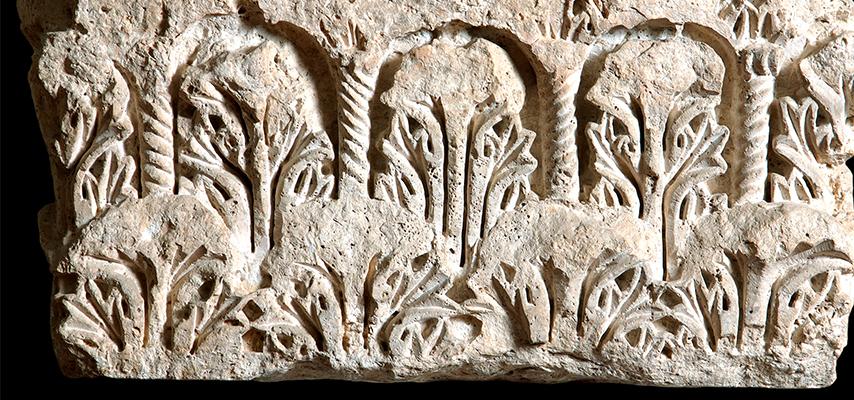
By contrast, one of Budapest’s most iconic landmarks, the Church of the Assumption of the Blessed Virgin Mary, better known as Matthias Church, has survived to the present day. Its current appearance, however, is largely the result of the Gothic Revival restoration carried out at the end of the 19th century. The exhibition offers an opportunity to take a closer look at the church’s original 13th- and 14th-century stone carvings. Alongside the sacred buildings, visitors can also discover architectural remains from the royal castle of Óbuda, the Nyék hunting lodge and other significant Renaissance aristocratic residences.
Ornate decorative elements, remarkably preserved wall paintings and finely carved stone fragments offer glimpses of buildings that have long since vanished. Through these surviving pieces, a remarkable historical period that has almost entirely disappeared begins to emerge once again.
Messengers of Lost Buildings will be open to visitors from 15 September, every day of the week during opening hours, from 10:00 am to 6:00 pm. The exhibition is included in the general admission ticket to the museum.
Further information: https://varmuzeum.hu/en/