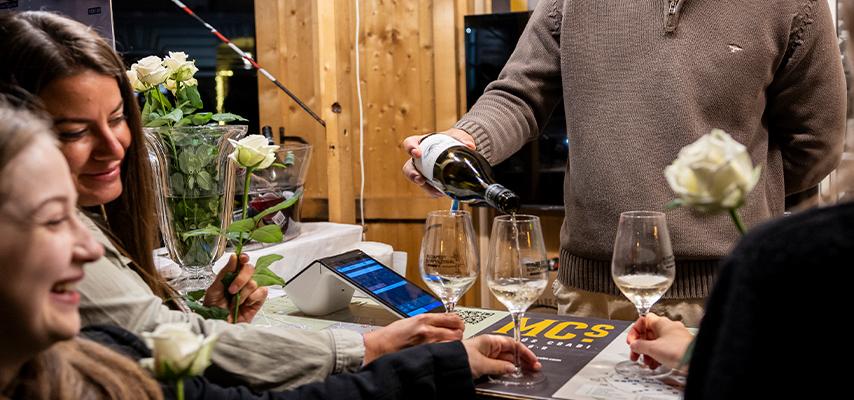
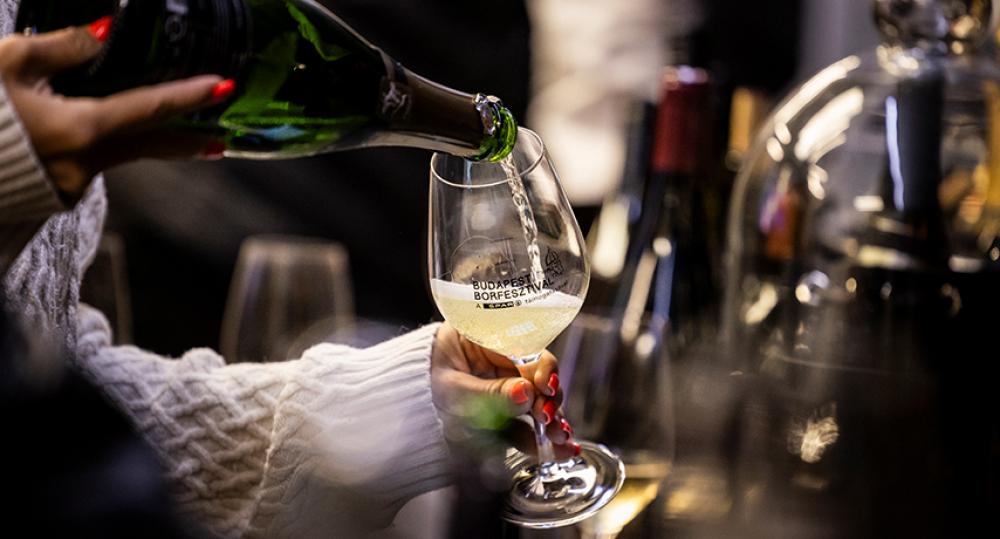
Visitor numbers, the interest shown by guests gathered around the stands, and the energy that fills the venue for four days all say a great deal about a festival’s success. But it is just as interesting to look at what happens on the other side of the counter. Why do wineries come to the Budapest Wine Festival? What do they hope to achieve, what do they bring with them, and how important is meeting visitors in person?
This year’s survey included every wine exhibitor at the 35th Budapest Wine Festival, with questionnaires completed during the event itself. The resulting picture tells us far more about the festival’s role than the number of glasses of wine poured over four days.
They Come for More Than Sales
The responses show that exhibitors see the Wine Festival primarily as an opportunity to build their brands and make connections.
Of the stands surveyed, 96% identified increasing brand awareness as a goal, and nearly two-thirds of respondents named it as their main reason for taking part. By contrast, fewer than 10% considered direct sales their top priority.
These figures make it clear that the value of an event like this cannot be measured solely by the bottles sold on site. The Wine Festival is also a meeting place where a winery can introduce itself in person to tens of thousands of potential customers.
Another finding reinforces this: more than three-quarters of exhibitors said meeting existing customers was an important reason for attending. Although an increasing share of wine brands’ communication takes place online, the value of face-to-face contact has clearly not diminished. It is one of the opportunities a festival can offer that no online campaign can fully replace.
Behind the Counter, They Offer Knowledge as Well as Wine
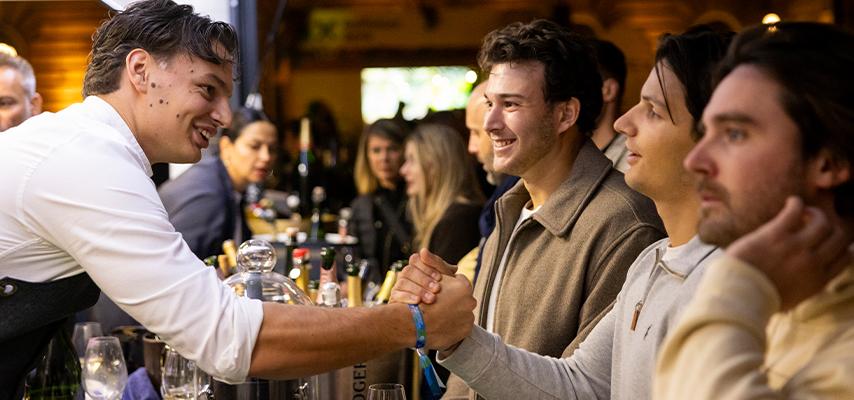
Visitors to the Wine Festival also have a strong chance of meeting someone with direct expertise in wine. Only a few of the stands surveyed reported having no winemaker or other wine professional present. This means that visitors could meet a wine professional at approximately 94% of stands for at least part of the event. At around half the stands, a professional was present throughout opening hours.
That makes a difference compared with a straightforward wine tasting event. A glass of wine can come with a story about its place of origin, vintage and grape variety, as well as first-hand insight—often from someone who made the wine or works with it every day.
Yet exhibitors do not always make full use of this opportunity in their programmes and communications. Twenty-seven per cent organised their own activities, while only five stands reported announcing a winemaker’s presence in advance. The expertise is there at the stands, but much of it remains hidden from visitors who do not know whom to look for or when.
This points to an opportunity for the coming years. Giving greater visibility to appearances by winemakers, short masterclasses, guided tastings and vintage presentations could create even more meaningful encounters between producers and consumers.
A Meeting Place for Business as Well as Visitors
Another role of the Wine Festival, less visible to visitors, is professional networking. Almost 60% of exhibitors said that building relationships with retailers and hospitality businesses was one of their goals.
From the outside, the four-day event may look primarily like a festival experience. At the stands, however, business conversations can lead to new contacts and future collaborations. In this sense, the Wine Festival serves both consumers and businesses: across the same counter, a winemaker might meet a wine enthusiast, a retailer, a sommelier or someone working in hospitality.
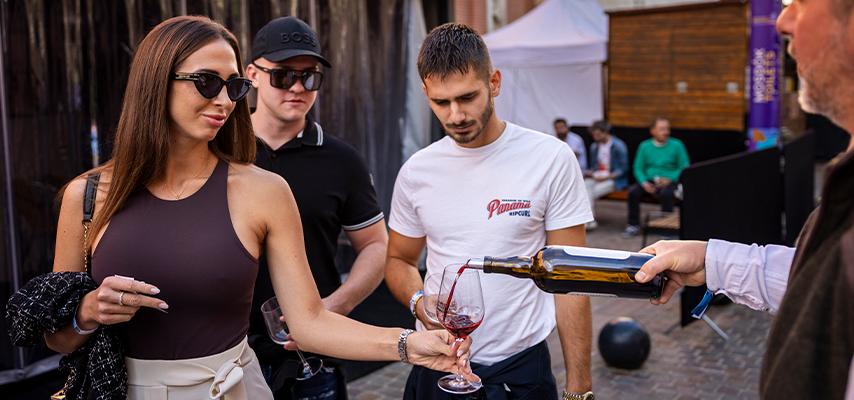
1,458 Wines: Too Many to Taste Them All
The size of the selection is revealing in itself. A total of 1,458 wine listings were recorded at the stands included in the survey.
The median was 13 wines per stand: half offered no more than 13, while the other half offered more. One exhibitor brought as many as 80 different wines.
No single visitor could taste every wine on offer. Choosing what to try, discovering something new and exploring the selection beforehand may therefore become an increasingly important part of the experience.
Sparkling Wine Is No Longer a Supporting Act
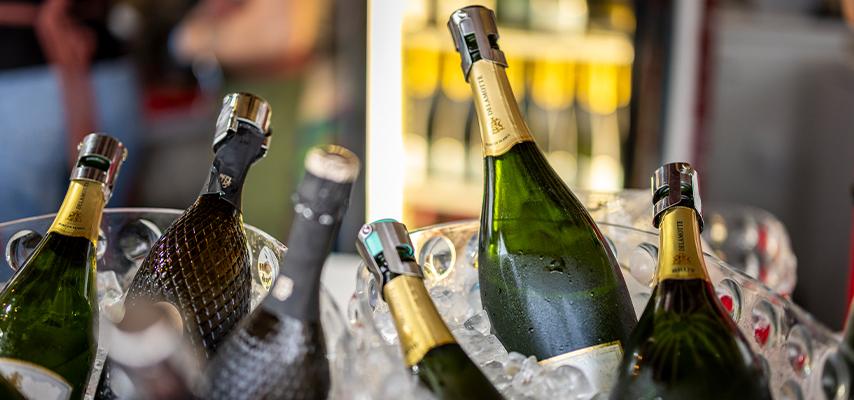
The composition of the selection held some surprises, too. The wine stands offered a total of 285 different sparkling wines, and sparkling wine featured in the selection at 57% of the stands surveyed.
Rosé was available at slightly more stands, but only 85 rosé wines were recorded in total.
This shows more than the simple fact that visitors can drink sparkling wine at the festival. The figures suggest that it has become a substantial category in its own right, reflecting how much Hungary’s sparkling wine culture has changed in recent years.
The No- and Low-Alcohol Trend Has Arrived, Though on a Small Scale
Dealcoholised and low-alcohol wines present a very different picture. Eighteen stands reported offering products in this category, but the survey recorded just 31 dealcoholised or low-alcohol listings.
That is only slightly more than 2% of the 1,458 listings recorded overall.
The category has clearly appeared at the festival, but it is far from a defining part of the selection. This makes the figures for the coming years particularly interesting: how quickly will more mindful drinking habits and the growing international no- and low-alcohol trend be reflected in what exhibitors actually offer?
From HUF 1,000 Wines to Tastings Above HUF 4,000
Prices also covered a broad range. More than half of exhibitors offered wine priced between HUF 1,000 and HUF 1,499 per decilitre, while premium wines priced at HUF 4,000 per decilitre or more were available at roughly half as many stands.
The Wine Festival therefore gives visitors the chance both to discover more accessible wines and to taste premium bottles they may encounter far less often in everyday life.
Firmly Hungarian, but Increasingly International
The origins of the wines also reveal the character of the event. Seventy-one per cent of the stands surveyed offered only Hungarian wines, 21% offered only wines from abroad, and a further 7% offered both Hungarian and international wines.
Hungarian wine remains the clear foundation of the Budapest Wine Festival, complemented by a substantial international selection. This was particularly fitting this year, when the Americas featured as the guest of honour.
What Do the Numbers Tell Us in the End?
Numbers alone offer only a snapshot. The more interesting story begins when we look at what lies behind them. Taking part in a four-day festival demands time, money, planning and staff from a winery - especially when the event falls during harvest, one of the busiest periods of the year.
Against that backdrop, exhibitors’ priorities are telling. Sales matter, but their leading goals also include building a brand, meeting people face to face and developing relationships. In the world of wine, value cannot always be measured in immediate revenue.